


Why Is My Child’s Cough Worse? Navigating Summer Allergies vs. Pediatric Asthma
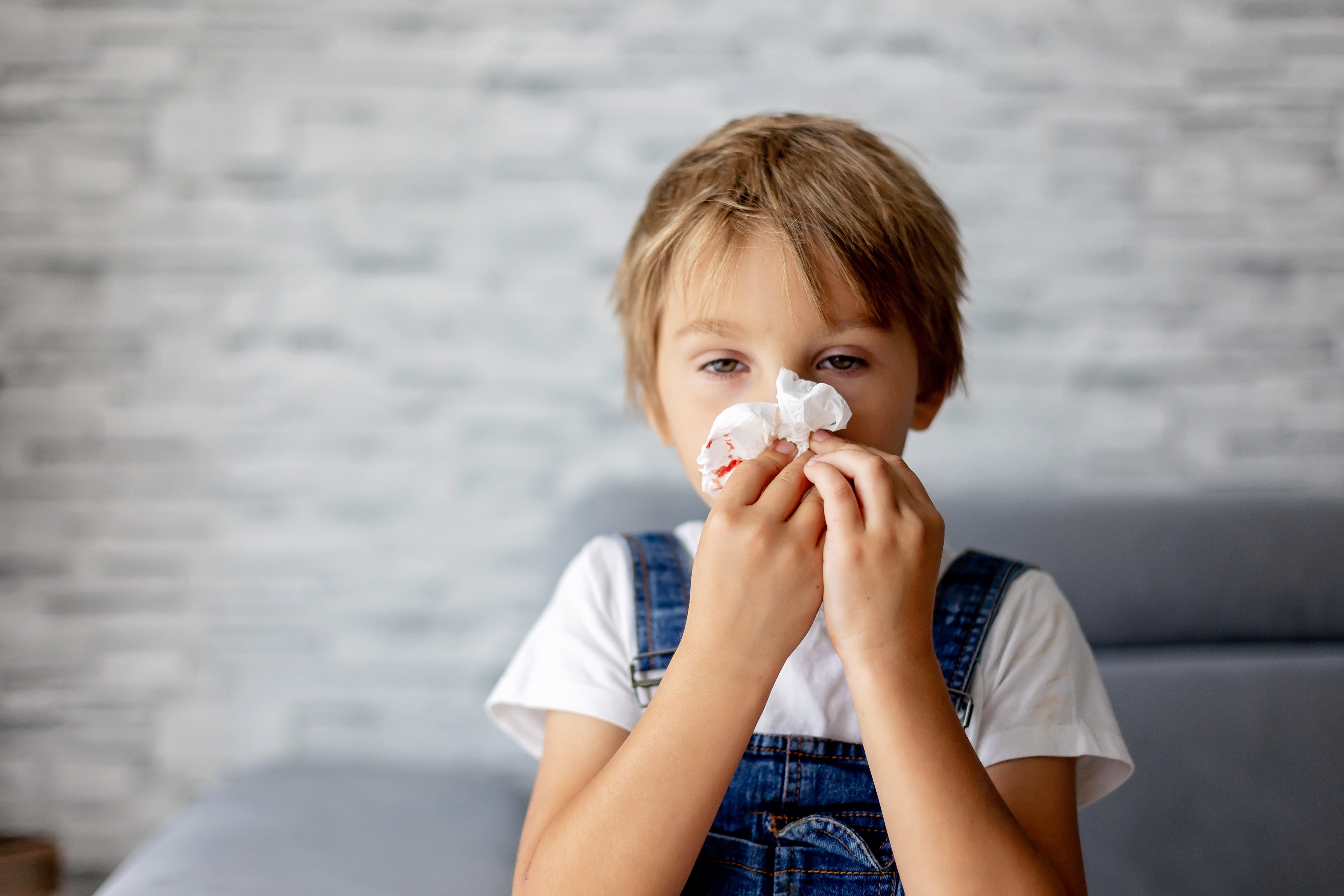
A persistent cough can be concerning, especially when it seems to worsen during the summer months. Seasonal allergens, outdoor activities, changing weather, and respiratory conditions can all affect how a child breathes. At Asheville Medicine & Pediatrics, we help families determine whether a child’s cough may be related to summer allergies, pediatric asthma, or another underlying cause.
How Summer Allergies Can Cause Coughing
Seasonal allergies occur when a child’s immune system reacts to airborne allergens such as grass pollen, weed pollen, or mold. While sneezing and itchy eyes are common, allergies can also cause nasal congestion and postnasal drip. When mucus drains down the back of the throat, it can irritate the airway and trigger coughing.
An allergy-related cough may occur alongside a runny or stuffy nose, frequent sneezing, watery eyes, or an itchy nose and throat. Symptoms may also become more noticeable after spending time outdoors.
When a Cough May Point to Pediatric Asthma
Asthma affects the airways and can cause coughing, wheezing, chest tightness, and difficulty breathing. However, children do not always have obvious wheezing. For some, a recurring cough may be one of the most noticeable asthma symptoms.
Signs that a cough deserves further evaluation for pediatric asthma can include:
• Coughing that frequently wakes your child at night
• Coughing or shortness of breath during exercise or active play
• Wheezing or a whistling sound when breathing
• Recurring coughing after exposure to allergens or irritants
• Chest tightness or difficulty catching their breath
• Coughing that repeatedly returns or lasts longer than expected
If these symptoms are interfering with sleep, sports, school, or everyday activities, it is important to discuss them with your child’s pediatrician.
Allergies and Asthma Can Overlap
Summer allergies and asthma are not always separate problems. Allergens such as pollen and mold can trigger asthma symptoms in children who have sensitive airways. Outdoor activity, air pollution, respiratory infections, and changes in weather may also contribute to asthma flare-ups.
This overlap is one reason it can be difficult for parents to determine the cause of a cough based on symptoms alone. Understanding when the cough happens, what seems to trigger it, and whether your child experiences breathing changes can provide useful information during an evaluation.
How We Evaluate a Persistent Childhood Cough
At Asheville Medicine & Pediatrics, we consider your child’s medical history, symptoms, possible triggers, and family history when evaluating a recurring cough. Depending on your child’s age and symptoms, additional testing may be appropriate to assess lung function or determine whether asthma or another condition may be contributing. Our goal is to identify what is causing your child’s symptoms so we can recommend appropriate care rather than simply treating the cough itself.
Know When Breathing Symptoms Need Immediate Attention
Seek prompt medical attention if your child is struggling to breathe, cannot comfortably speak because of shortness of breath, has bluish lips or skin, or develops severe or rapidly worsening breathing symptoms.
If your child’s summer cough keeps coming back, schedule a pediatric appointment with Asheville Medicine & Pediatrics to determine whether allergies, asthma, or another condition may be responsible. Contact our office in Arden or Asheville, North Carolina, by calling (828) 651-0121 today.



© 2026 Asheville Medicine & Pediatrics. All rights Reserved. Accessibility Statement - Privacy Policy - Sitemap
Powered by:
