


What Precautions Are Needed for Chickenpox?
Chickenpox is a highly contagious illness caused by the varicella-zoster virus. Although many cases are mild, especially in children, the infection can lead to complications in infants, teens, adults, pregnant individuals, and those with weakened immune systems. Taking the right precautions can help protect your child and reduce the risk of spreading the virus to others.
At Asheville Medicine & Pediatrics, we focus on prevention, early detection, and supportive care to keep families healthy.
Vaccination Is the Best Protection
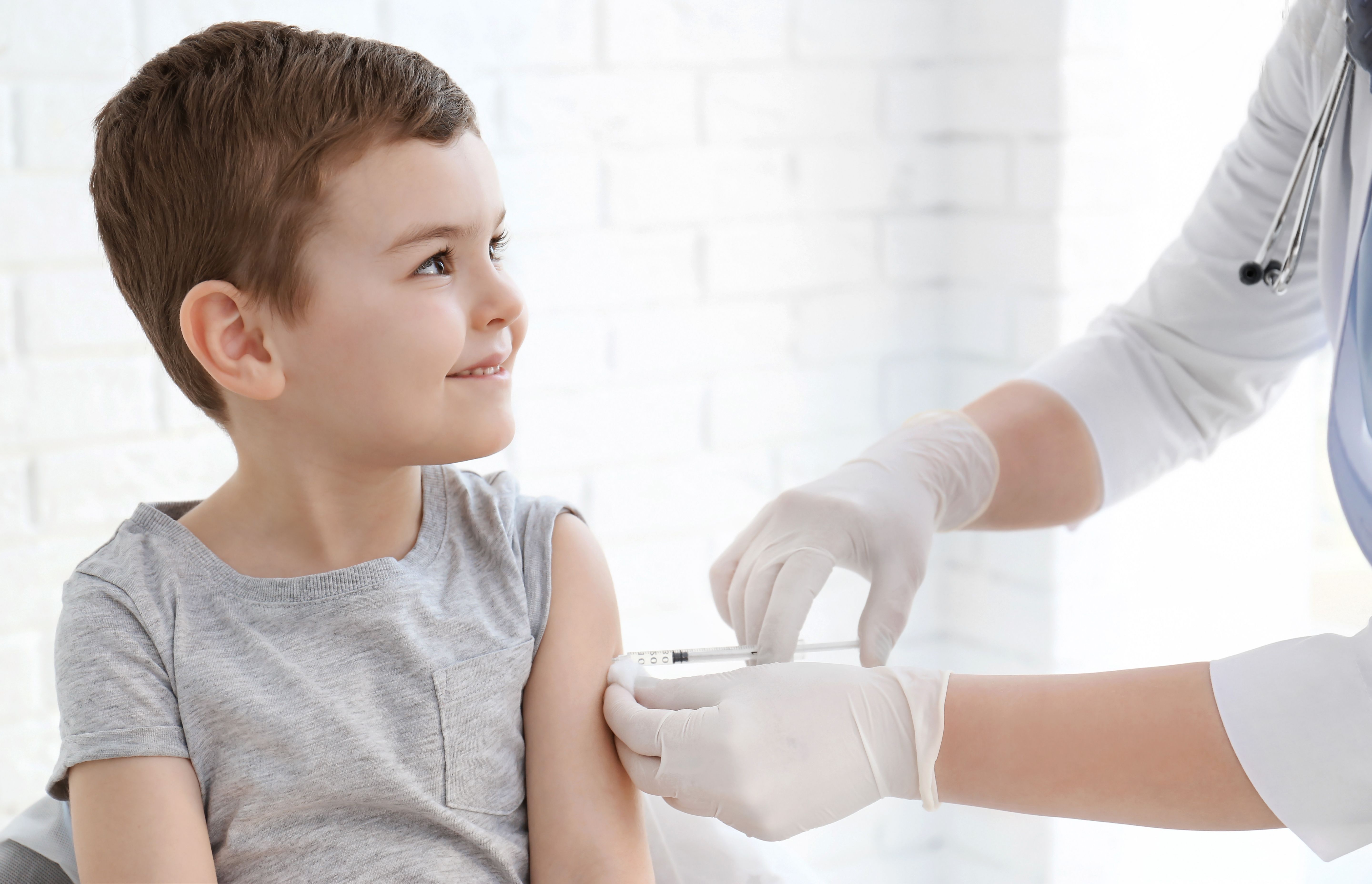
The most important precaution against chickenpox is vaccination. The varicella vaccine is typically given in two doses during childhood and is highly effective at preventing infection. If a vaccinated child does develop chickenpox, symptoms are usually much milder and shorter in duration. Staying up to date on immunizations not only protects your child but also helps prevent outbreaks in schools and the community.
Keep Your Child Home If Infected
Chickenpox spreads easily through respiratory droplets and direct contact with the fluid from blisters. A child is contagious one to two days before the rash appears and remains contagious until all blisters have crusted over.
If your child develops chickenpox, they should stay home from school, daycare, and social activities until fully non-contagious. Limiting contact with newborns, pregnant individuals, elderly adults, and anyone with a weakened immune system is especially important.
Maintain Good Hygiene at Home
Frequent handwashing can help reduce transmission within the household. Avoid sharing towels, bedding, clothing, or utensils while your child is sick. Cleaning commonly touched surfaces can also lower the risk of spread.
To prevent skin infections and scarring, discourage scratching as much as possible. Keeping fingernails trimmed and using soothing measures recommended by your pediatric provider can help relieve itching and protect the skin.
Watch for Complications
While most children recover without issue, complications can occur. Contact your healthcare provider if your child experiences a high or persistent fever, difficulty breathing, severe headache, unusual drowsiness, vomiting, or signs of skin infection such as increasing redness, swelling, or pus.
If your child has a chronic health condition or weakened immune system, medical evaluation is especially important.
Stay Ahead of Chickenpox With Expert Pediatric Care
Chickenpox can often be managed safely at home with proper precautions, but prevention through vaccination remains the most effective strategy. Keeping infected children home, practicing good hygiene, and monitoring for warning signs all help reduce complications and protect others.
If you have questions about chickenpox exposure, symptoms, or vaccination, schedule a pediatric well child visit at Asheville Medicine & Pediatrics. Contact our office in Arden or Asheville, North Carolina, by calling (828) 651-0121 to book an appointment.



© 2026 Asheville Medicine & Pediatrics. All rights Reserved. Accessibility Statement - Privacy Policy - Sitemap
Powered by:


